

5 Critical Garage Door Checks to Make Before the First Freeze
As temperatures drop, your garage door becomes one of the most vulnerable parts of your home. Cold weather can stiffen metal parts, thicken lubricants, and expose small issues that quickly turn into costly winter breakdowns. Performing a few simple checks before the first freeze can save you time, money, and frustration when winter hits hard.
This guide walks you through five critical garage door checks every homeowner should complete in fall. The steps are easy to understand and practical for real homeowners.
Why Cold Weather Is Hard on Garage Doors
Garage doors rely on metal components, moving parts, and precise balance. When temperatures fall:
- Metal contracts, affecting alignment
- Lubricants thicken and slow movement
- Springs lose flexibility
- Moisture freezes, increasing resistance
A quick inspection before winter helps prevent sudden failures on freezing mornings.
- Inspect and Test the Garage Door Springs
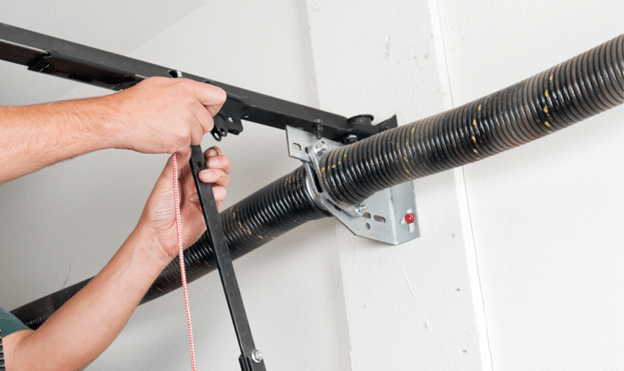
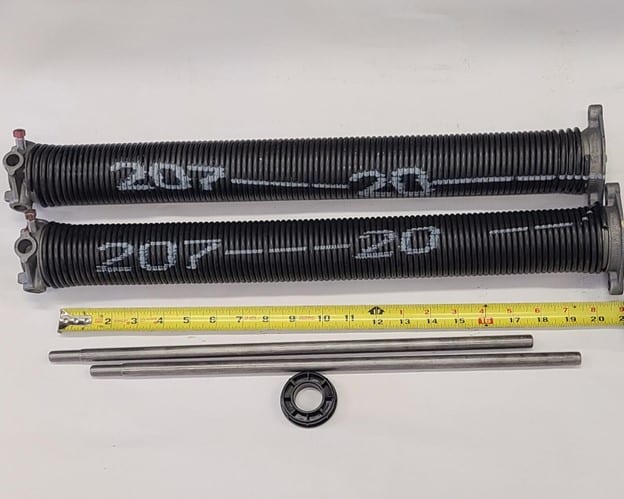
Garage door springs do the heavy lifting. Cold temperatures make worn springs more likely to snap.
What to Check:
- Look for gaps, rust, or stretched coils
- Listen for loud bangs or popping noises
- Open the door halfway manually—does it stay in place?
If the door feels heavy or drops quickly, the springs may be losing tension. Spring failure is one of the most common winter garage door emergencies, so catching issues early is critical.
⚠️ Never attempt to repair springs yourself—they are under extreme tension.
- Lubricate All Moving Metal Parts (Properly)
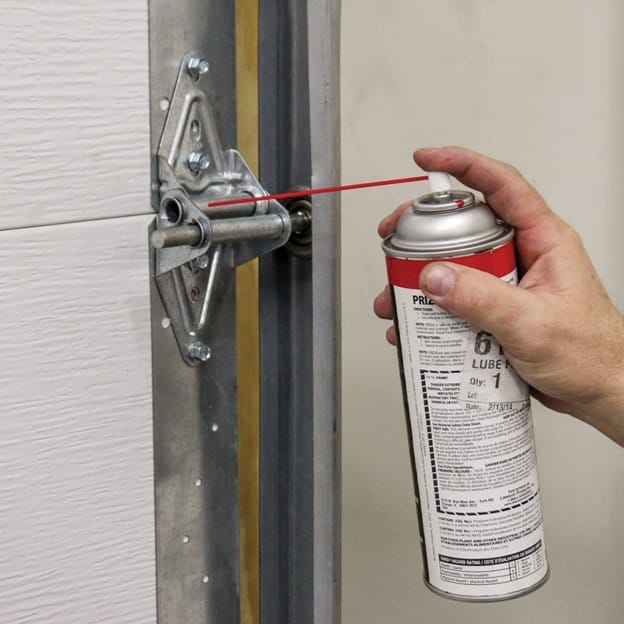
Cold weather thickens old grease, causing jerky or noisy operation.
Focus on:
- Rollers and hinges
- Spring coils
- Bearings and pulleys
Use a silicone-based or lithium garage door lubricant, not standard grease. Avoid spraying the tracks directly—clean them instead.
Proper lubrication reduces strain on the opener and prevents parts from freezing or sticking.
- Check the Door Balance Before Temperatures Drop
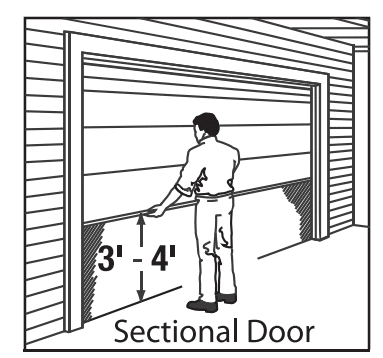
An unbalanced garage door works harder in winter, increasing wear on the opener.
How to Test:
- Disconnect the opener using the emergency release cord
- Lift the door halfway manually
- Release it gently
If the door stays in place, it’s balanced. If it falls or shoots upward, it needs adjustment. Poor balance combined with cold weather often leads to motor burnout or cable damage.
- Inspect Weather Stripping and Bottom Seal
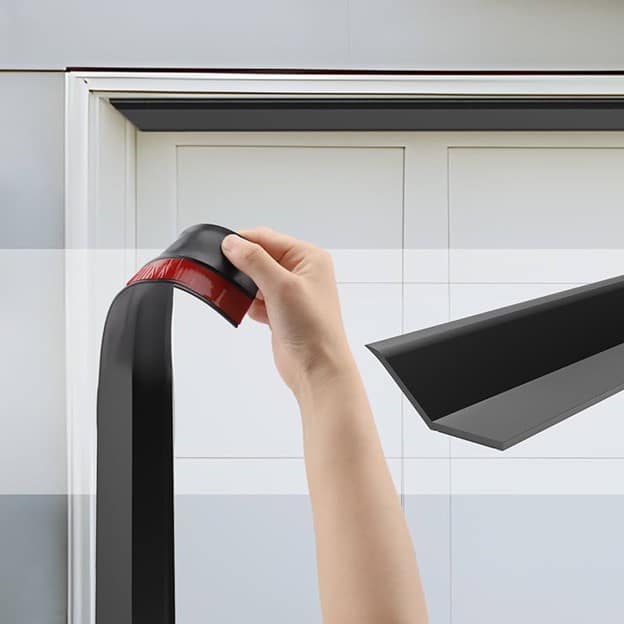
Weather seals protect against cold air, moisture, and ice buildup.
Look For:
- Cracks or brittleness in the bottom seal
- Daylight showing under the door
- Stiff or hardened rubber
A damaged seal allows cold air and snow to enter, increasing energy loss and making the door harder to close. Replacing worn weather stripping before winter improves insulation and smooth operation.
- Test the Auto-Reverse Safety System
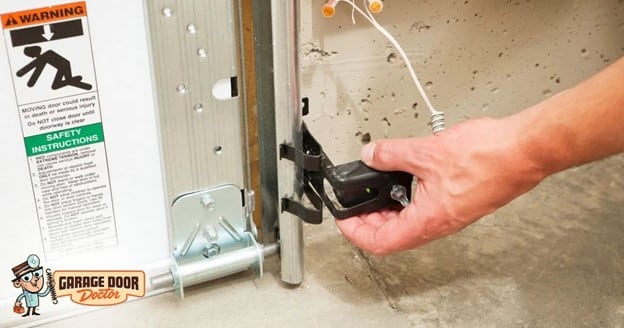
Winter debris, ice, or misalignment can interfere with safety sensors.
Quick Test:
- Place a solid object (like a piece of wood) under the door
- Close the door using the opener
The door should reverse immediately upon contact. If it doesn’t, your safety system may need adjustment. A malfunctioning auto-reverse system is not just inconvenient—it’s a serious safety risk.
Final Thoughts
Cold weather doesn’t cause garage door problems—it exposes them. By completing these five critical checks before the first freeze, you can avoid emergency repairs, extend the life of your garage door, and ensure smooth operation all winter long.
If you’re searching for a reliable garage door solution or want a professional winter inspection, call us (+1) 970 682-3353 or contact us today. A little preventive care now can save you from big headaches when the temperature drops.


